Adventure connects you with more than just waterfalls, forest trails, and wildlife it links you to the living heart of a land and its people. In northern Costa Rica, an unforgettable ATV route leads you to the Maleku Indigenous community, one of the country’s eight officially recognized Indigenous groups. Here, you are welcome and invite you to slow down and engage respectfully with a culture that has thrived for centuries while living on its ancestral land.
Who Are the Maleku?
The Maleku number around 650 people, living in three main communities located in Guatuso: Palenque Margarita, Palenque Tonjibe, and Palenque El Sol. Contrary to common misconceptions, Maleku families live in modern homes built with cement and blocks—not traditional huts. The ancestral casa Maleku, once the everyday home, is now reserved for ceremonies, rituals, and cultural activities, emphasizing its continuing importance in their spiritual and social life.
Maleku Art and Environmental Stewardship
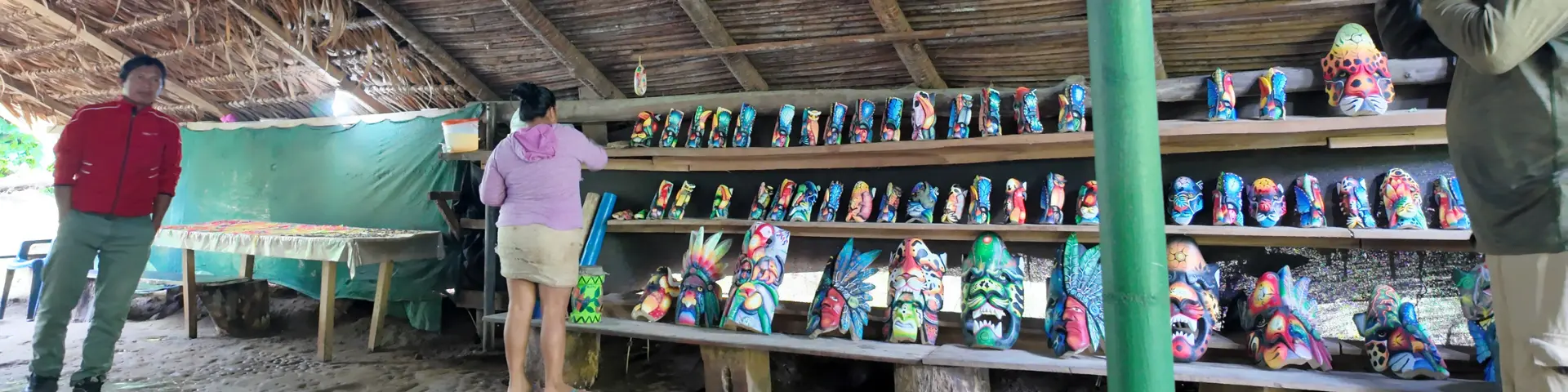
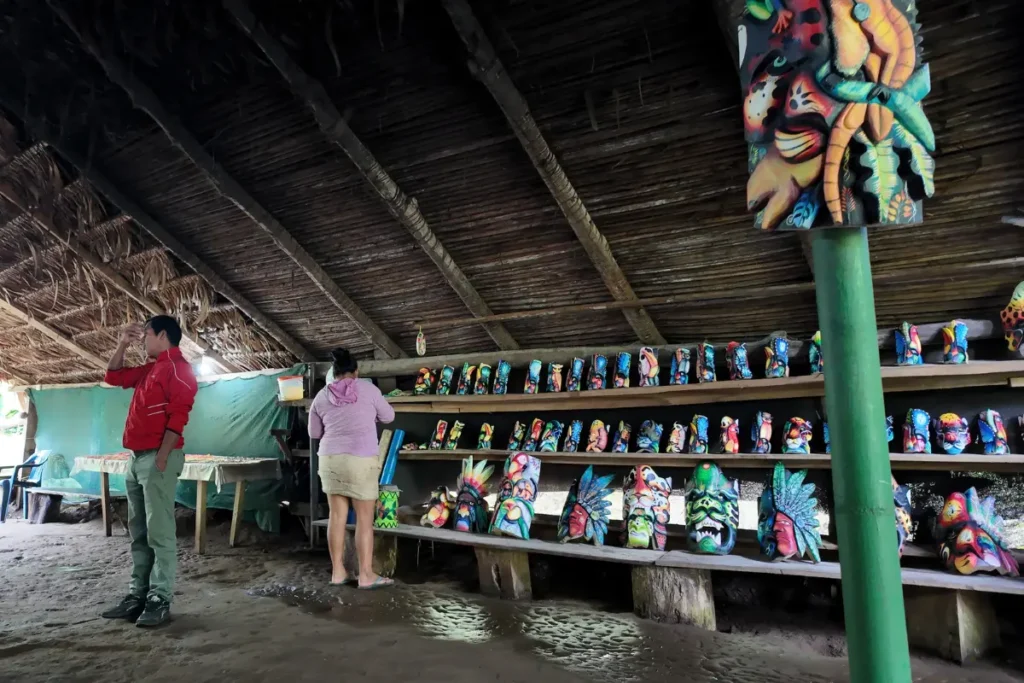
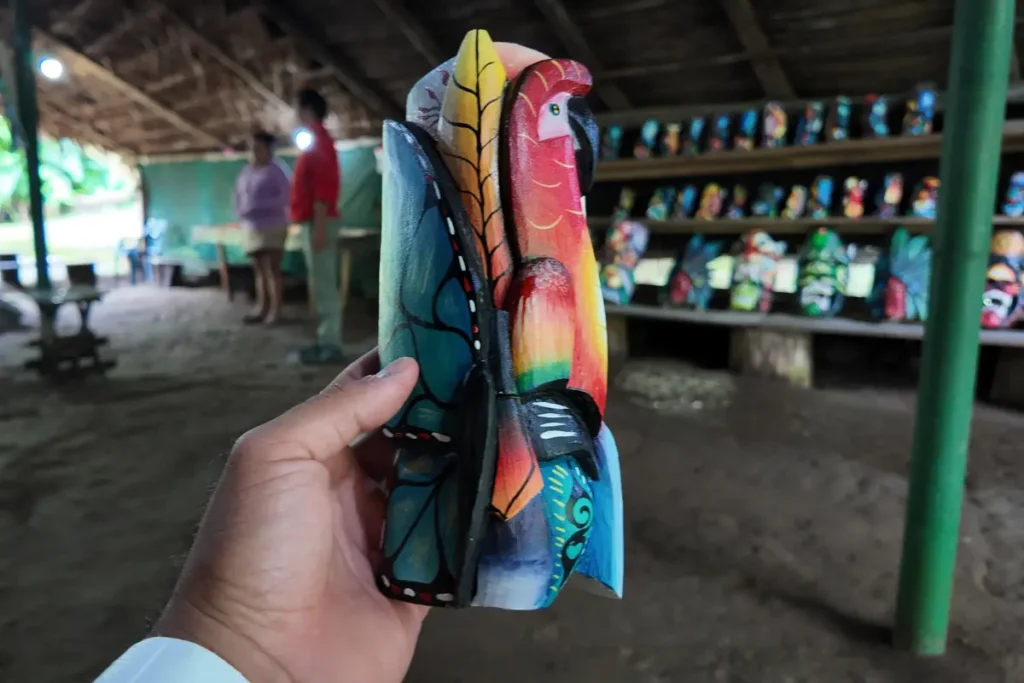
Art is a vital medium for the Maleku to express their worldview. You’ll recognize their shkára intricately hand-carved ceremonial masks vibrant natural pigments, and symbolic designs representing animals, forests, and the spiritual bond between people and nature. These creations are not just decorative; they encode deep meaning and ancestral wisdom.
Art is a vital medium for the Maleku to express their worldview. You’ll recognize their shkára intricately hand-carved ceremonial masks vibrant natural pigments, and symbolic designs representing animals, forests, and the spiritual bond between people and nature. These creations are not just decorative; they encode deep meaning and ancestral wisdom.
The Maleku’s relationship with the forest is both spiritual and practical. They see themselves as guardians of the land, driven by the principle of niámba,(the spirit of nature), which guides their stewardship. Their traditional ecological knowledge underpins reforestation efforts and biodiversity conservation practices passed down through generations and vital for the health of their ecosystem
What to Expect on the Maleku Cultural ATV Tour
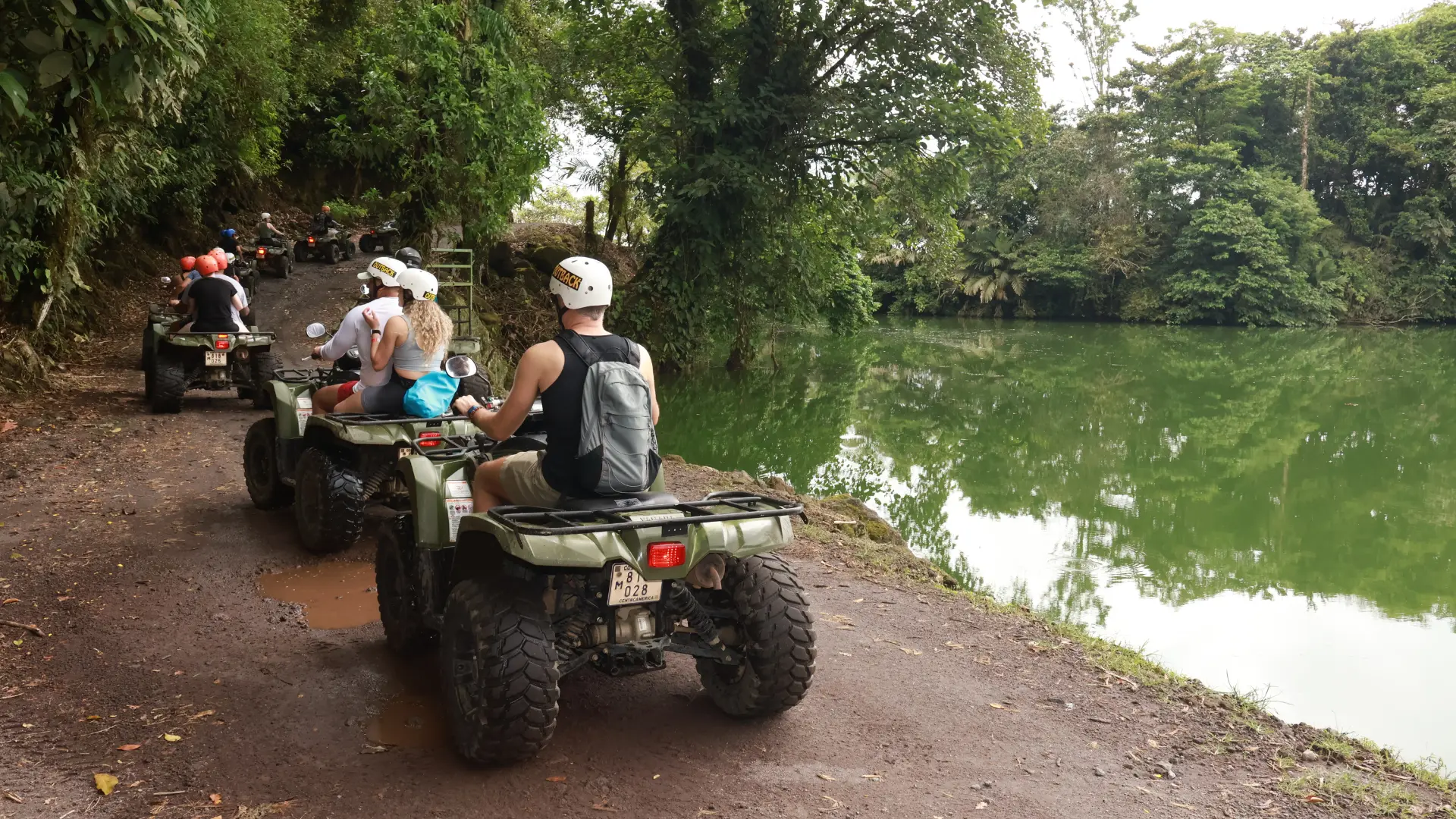
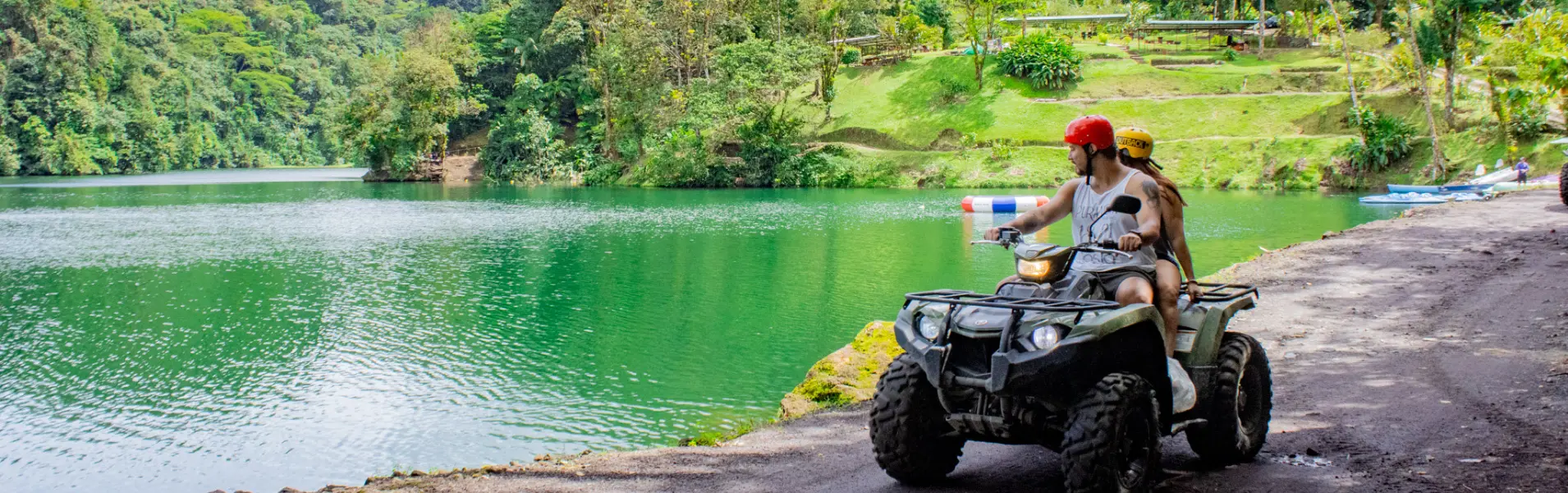
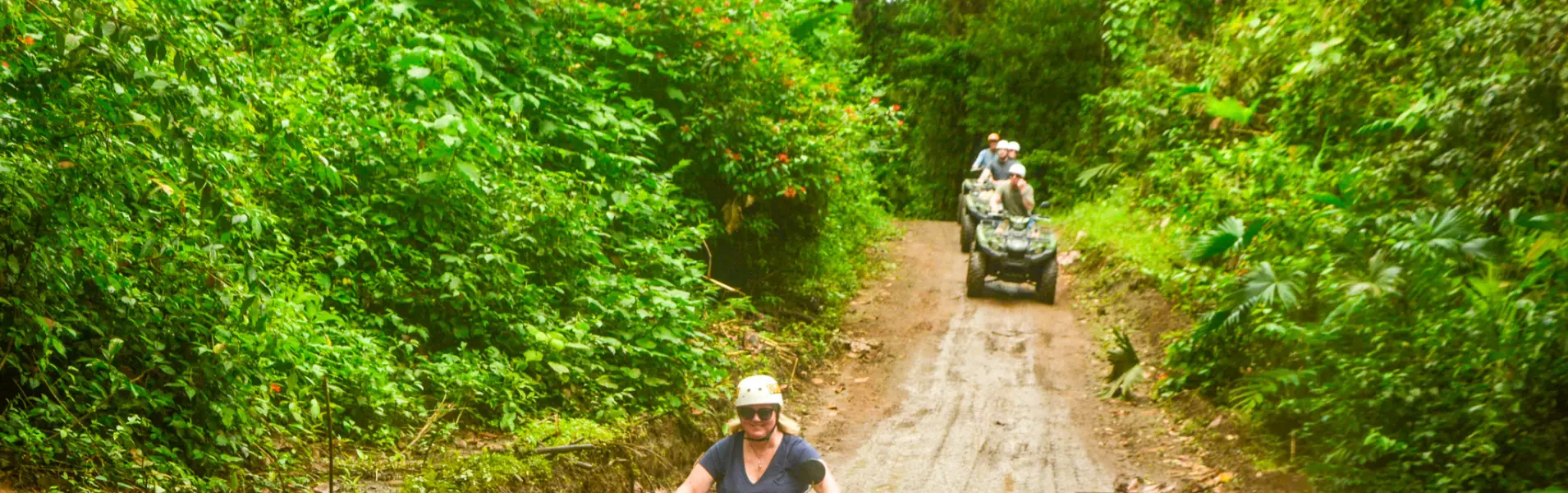
This unique tour offers more than an adventure it immerses you in a living culture entwined with nature. The scenic route takes you through farmland, shaded forest paths, and gentle river fords before arriving in the Maleku village.
Here, you meet local hosts who share stories, music, dance, and daily traditions. You gain insight into Maleku life learning about their medicinal plants, agricultural practices, and artisanal crafts such as pottery and painted gourds (jícaras). An important part of the visit is participating in a brief ceremony where the community expresses gratitude to nature for its gifts, emphasizing their spiritual connection to the land.
Visitors also taste chicha, the traditional fermented corn beverage, offering a sensory link to Maleku customs. Throughout your stay, the community welcomes respectful curiosity and fosters greater understanding of Indigenous traditions that are often overlooked.
Supporting Cultural Preservation and Sustainability
By joining the Maleku Cultural ATV Tour, your visit goes beyond sightseeing. Part of the proceeds support initiatives to revitalize the Maleku language, fund community-led conservation projects, and promote sustainable tourism. This empowers the Maleku to maintain their customs and protect their territory in a rapidly changing world.
Exploring Costa Rica through the lens of the Maleku offers a chance to connect meaningfully not just to the natural beauty but to the stories, wisdom, and living heritage of one of the country’s ancestors .
FAQ
Absolutely. Families are welcome. Kids can ride as passengers, and Outback has side-by-side vehicles ideal for younger children or travelers who prefer not to drive.
Tours usually continue, since light rain is normal in the rainforest. Outback may adjust the route to ensure safe conditions. Rain ponchos are recommended.
Yes. Outback’s side-by-side vehicles make it accessible for travelers with limited mobility. Some light walking occurs during the cultural visit, but guides can adapt the pace.
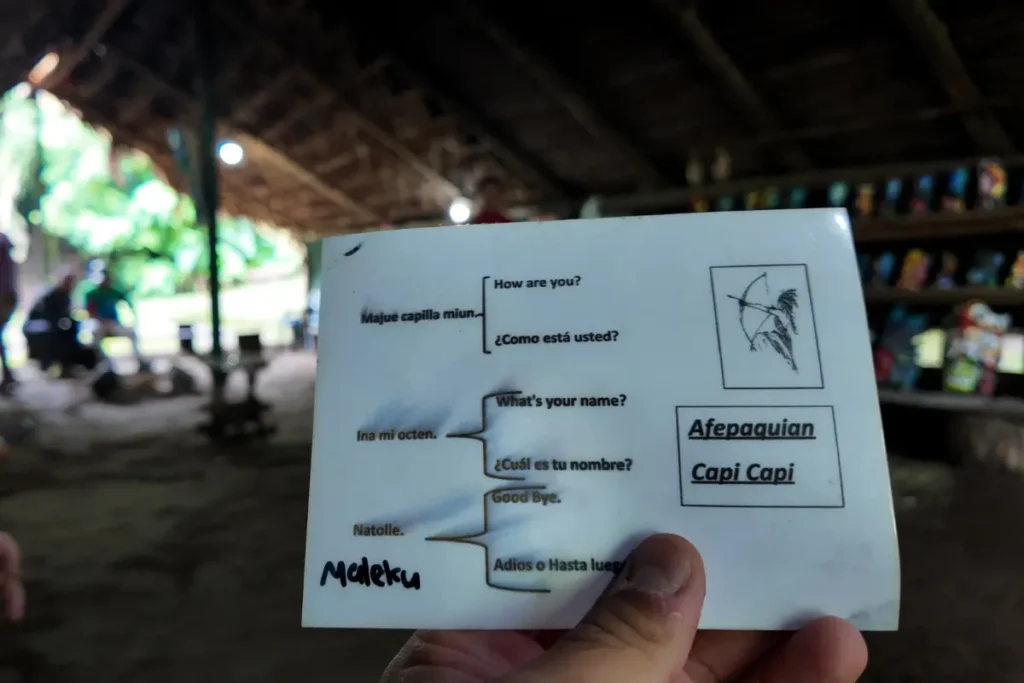
Yes! hosts often teach simple words like kúri kúri (hello) or nakáncatá (thank you). It’s a meaningful way to connect.